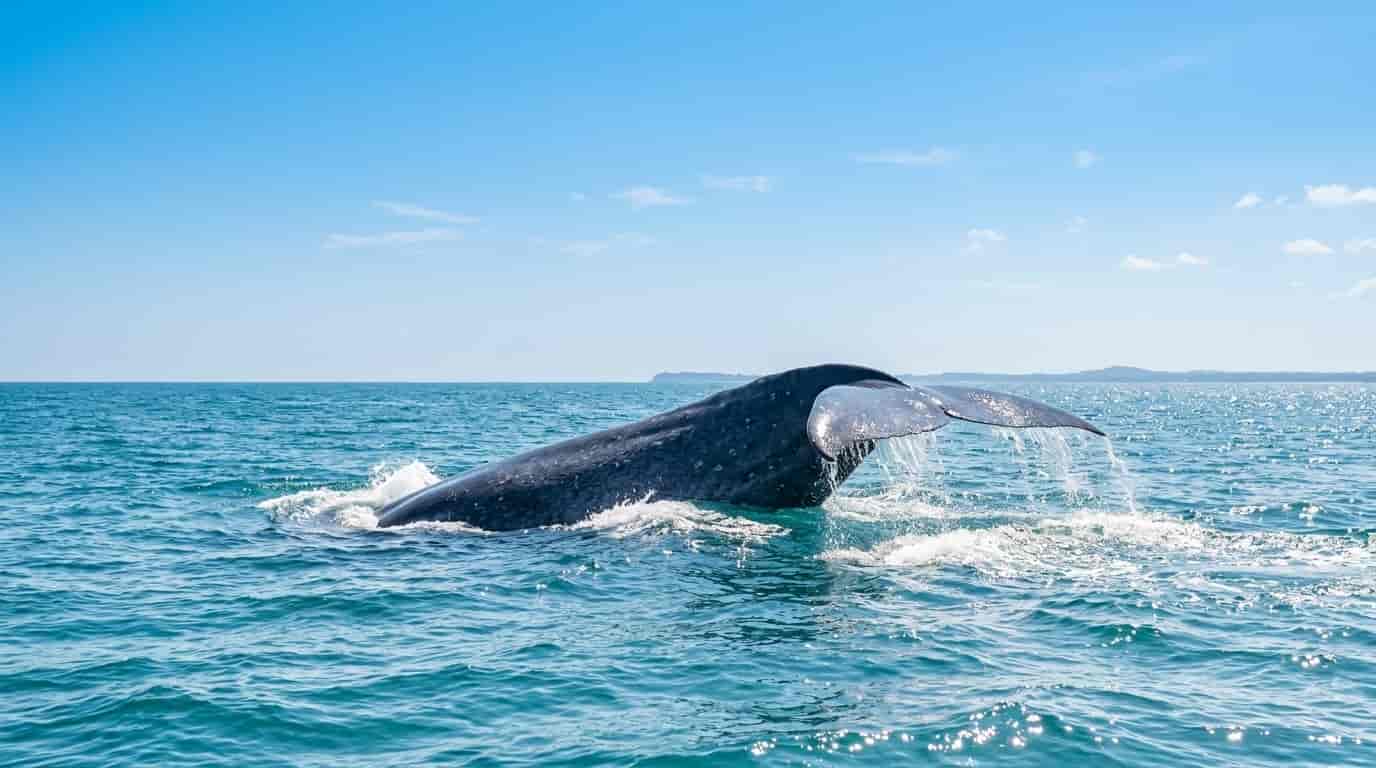
Sri Lanka is one of the very few places on Earth where a single wildlife holiday can include both the largest land mammal, the Asian elephant, and the largest animal that has ever lived, the blue whale – often within the same week. From the dry-zone safaris of Yala and Udawalawe National Park to whale watching boat trips off Mirissa and the south coast, that combination alone makes Sri Lanka wildlife tours different from almost anywhere else in the world.
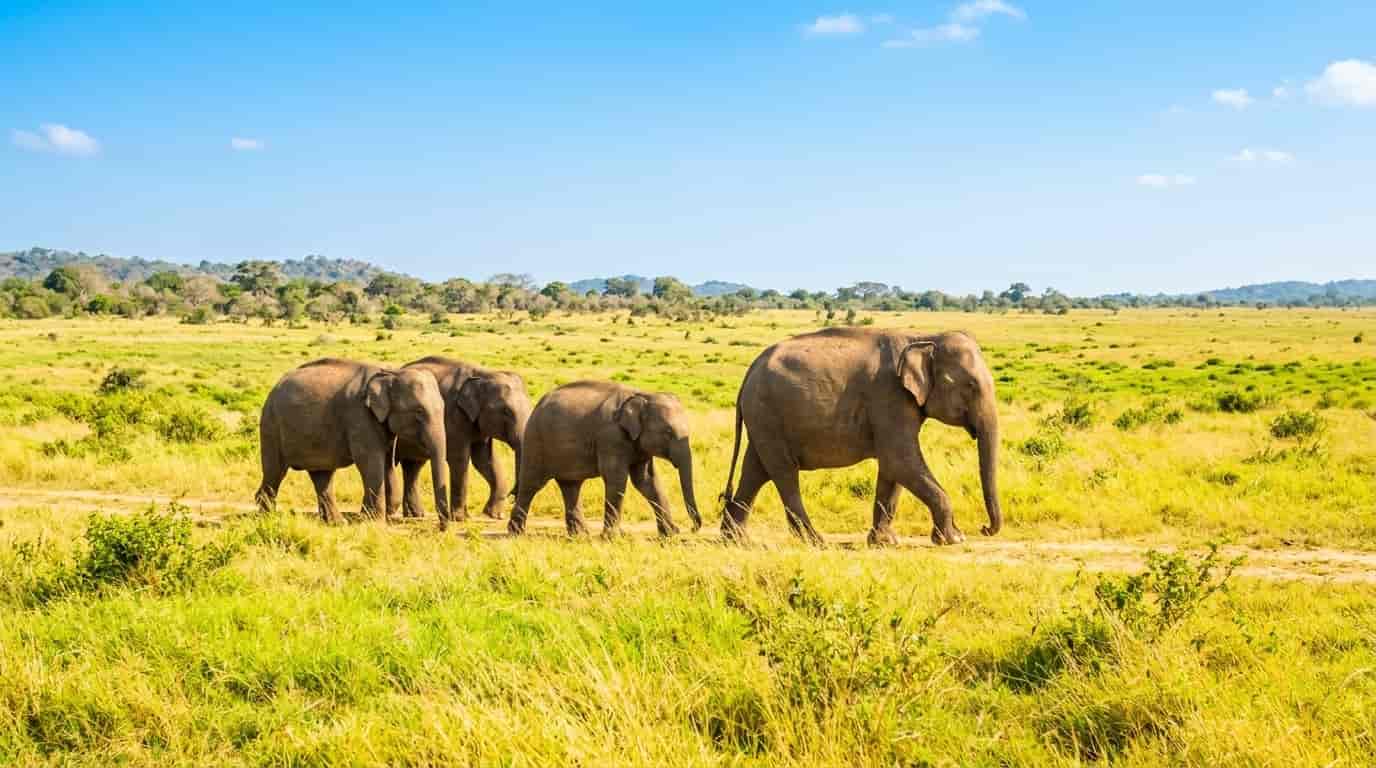
Despite its small size, Sri Lanka holds one of the highest levels of biological endemism in the world and ranks among the planet's top five biodiversity hotspots. Of its 91 recorded mammal species, Asian elephants, sloth bears, the Sri Lankan leopard, sambar deer and wild buffalo draw the most attention in parks like Yala, Wilpattu and Udawalawe – but some of the rarest endemic wildlife, such as the red slender loris, the toque macaque and the purple-faced langur, live nowhere else on Earth and are increasingly hard to find as their forest habitat shrinks.
The surrounding Indian Ocean waters are just as rich: 26 recorded cetacean species, including blue whales, sperm whales and playful spinner dolphin pods, make Sri Lanka one of the world's great whale-watching destinations, with the best sightings typically off Mirissa and Trincomalee. On land, nearly 433 bird species (20 of them endemic) and over 106 amphibian species – more than 90 endemic, with the highest concentration in the Sinharaja rainforest – reward travellers who look closely, from painted storks in the Bundala wetlands to hornbills deep in the rainforest canopy.