Flavours of Sri Lanka

From village kitchens to street stalls

Sri Lankan food is a vibrant blend of aromatic spices, fresh ingredients, rich curries and traditional cooking techniques passed down through generations. At its heart is rice and curry – vegetable, meat or fish curries served with dhal, sambols, mallum and crispy papadum – but authentic Sri Lankan cuisine is only just getting started there.
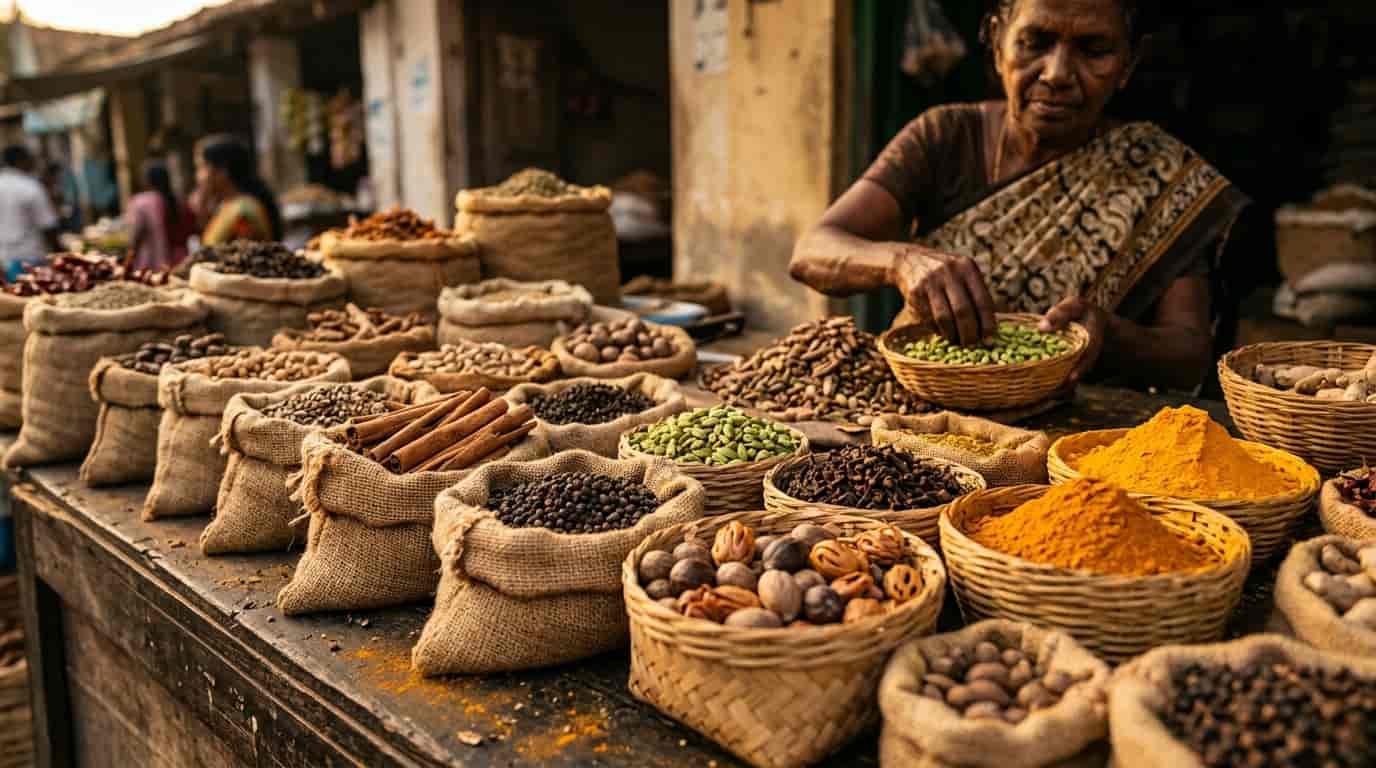
Sri Lankan spice market with Ceylon cinnamon, cardamom and other spices

Spices have shaped Sri Lankan cuisine, medicine and trade for centuries. The island is particularly renowned for Ceylon cinnamon, black pepper, cardamom, cloves, nutmeg, turmeric and ginger – ingredients Sri Lankan households combine with fresh herbs and coconut to create food that's both deeply flavourful and genuinely nourishing.

Kithul, the Ceylon fishtail palm, is another cornerstone of rural Sri Lankan food culture. Skilled tappers collect sweet sap from the palm's flower to produce Kithul treacle and jaggery – natural sweeteners enjoyed with curd and traditional sweets, and a centuries-old craft you can watch firsthand in the villages that still practise it.
Plan your own culinary journey

Want to eat your way through Sri Lanka properly – not just at hotel buffets? Tell us what you'd like to try and we'll build cooking sessions, markets or street-food stops into your personal route.

Plan My Journey
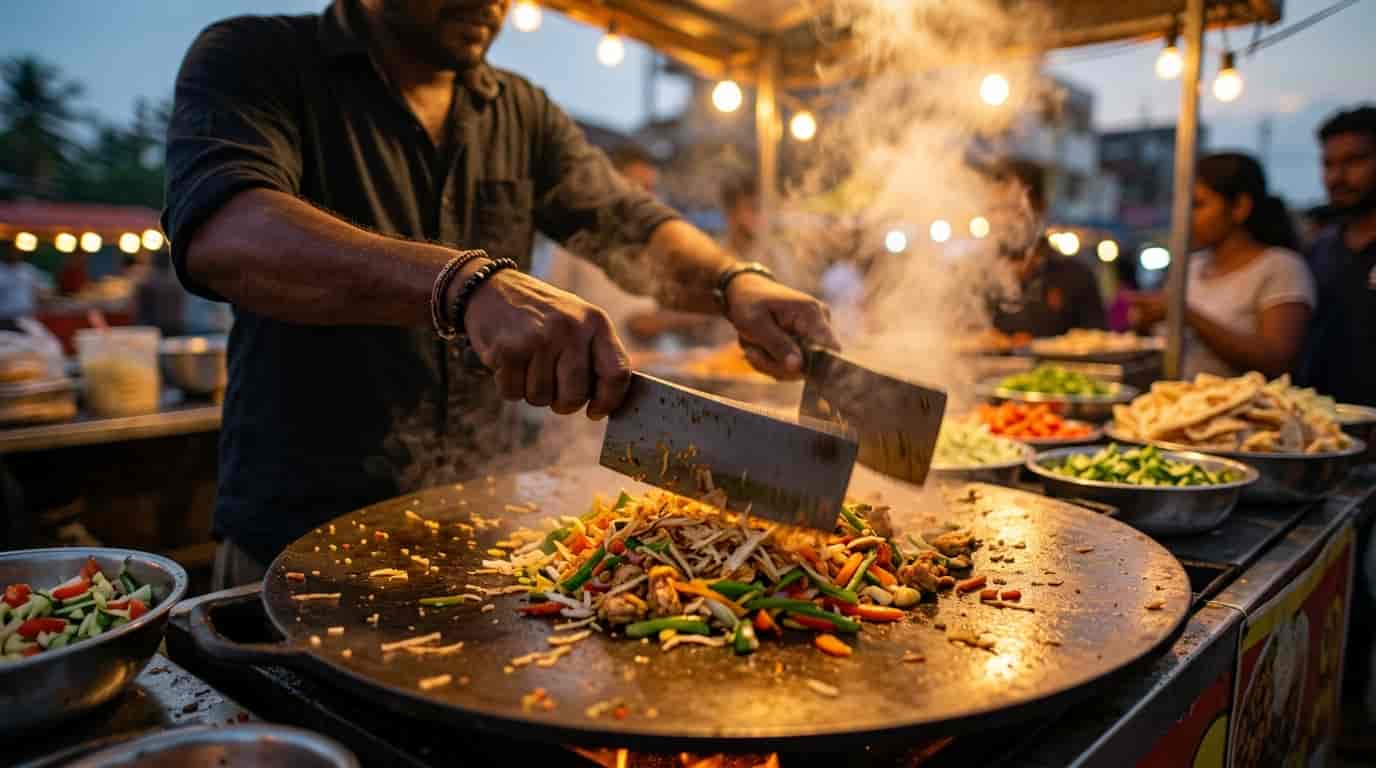
Kottu roti being freshly chopped on a griddle at a Sri Lankan street food stall

The coconut palm runs through everyday Sri Lankan life in a similar way, including coconut toddy, a mildly alcoholic drink made by fermenting collected sap – produced by experienced climbers moving between palms in a traditional rural skill passed down through generations.

Sinhalese, Tamil, Muslim and Burgher culinary traditions each bring their own dishes to Sri Lanka's food culture – kiribath, kavum, dosai, vadai, biryani, wattalapam, lamprais – and street food adds another layer entirely, from kottu chopped fresh on a hot griddle to isso wade, samosas, achcharu and short eats best enjoyed with a cup of Ceylon tea.

We can turn any part of Sri Lanka's food culture into an experience rather than just a meal: a market visit and cooking session in a village kitchen, a toddy-tapping demonstration, a street-food evening with a local guide, or a spice-garden walk – built into your itinerary wherever it fits.

More to Explore

Other experiences.