Sri Lanka's handicrafts, pottery, masks and gemstones carry generations of history, creativity and belief – and, unlike a souvenir shop shelf, each piece of traditional Sri Lankan craftsmanship has a place and a maker behind it.
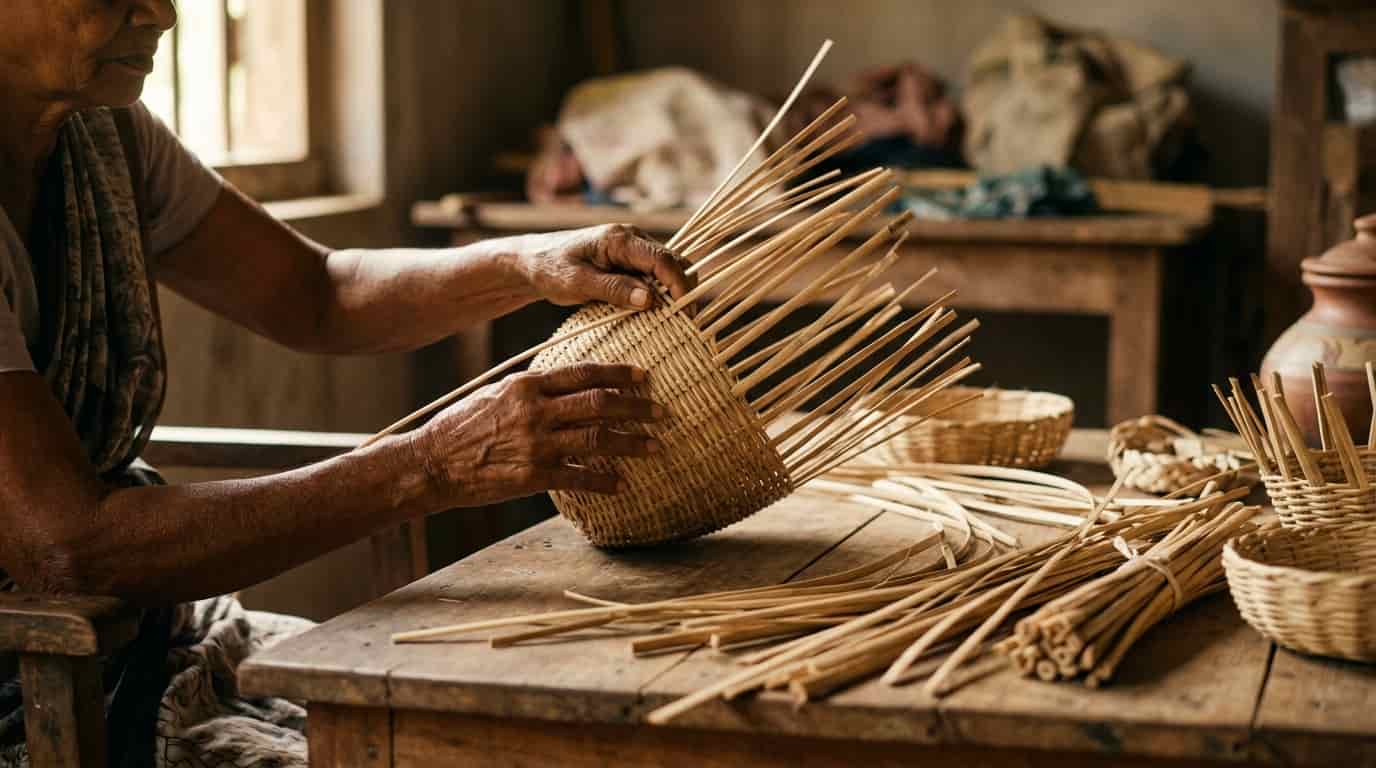
Local artisans work with wood, cane, bamboo, coconut fibre and palm leaves to create baskets, woven mats, wooden carvings, lacquerware and handloom textiles, each piece showing the skill of the Sri Lankan craftsperson who made it.
Pottery has shaped Sri Lankan village life for centuries, with local artisans still transforming natural clay into cooking vessels, water pots, lamps and everyday household items – and visitors can watch the process, and try it themselves, firsthand at a traditional pottery workshop.
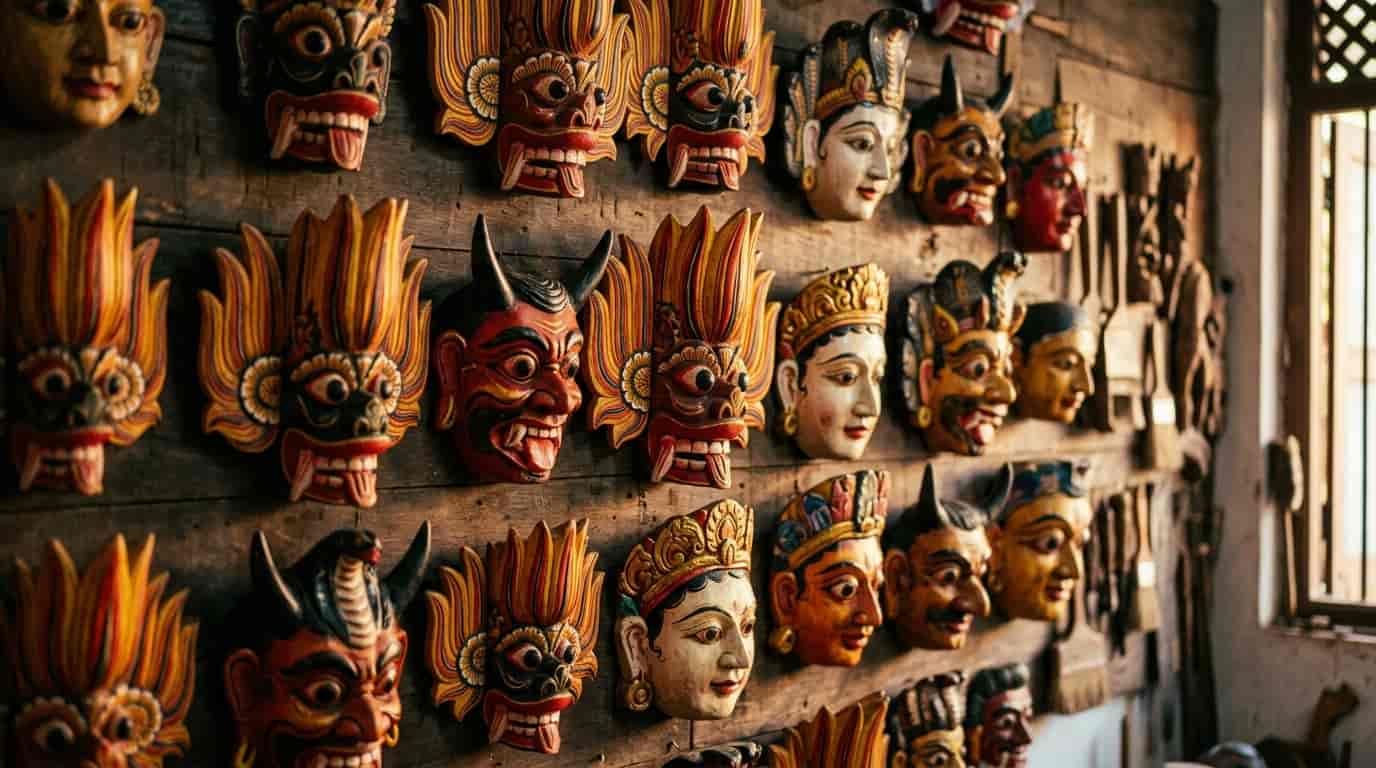
Sri Lankan wooden masks are among the island's most distinctive traditional art forms – brightly painted and intricately carved for use in folk performances, rituals and ceremonies. The famous Kolam masks portray characters from traditional Sri Lankan stories, while others represent animals and spiritual beings, each with its own symbolism.
Known for centuries as the "Ratna-Dweepa" – Island of Gems – Sri Lanka is particularly celebrated for its Ceylon sapphires, alongside star sapphires, rubies, cat's-eye, garnets, amethyst and tourmaline. A visit to a traditional Sri Lankan gem workshop reveals the cutting, polishing and jewellery craft behind these stones.
We connect these crafts to real people rather than shopfronts wherever possible – a mask carver's workshop, a village potter, a small gem-cutting operation – built into your itinerary as a stop, a lesson, or simply a conversation.